
How April Heat Surges Can Overload Your AC Before Summer Even Starts
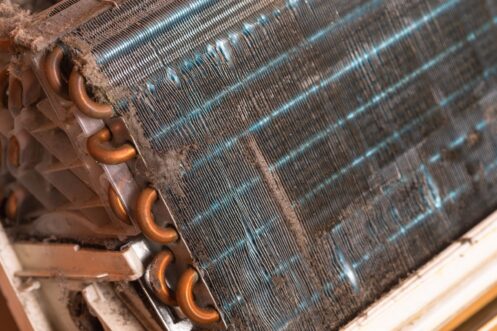
Spring in Southern California can feel mild one week and surprisingly hot the next. In Burbank, CA, April often brings sudden temperature spikes that push well into the 80s or even 90s. These early heat surges can catch homeowners off guard, especially if the air conditioning system has not been running regularly since the previous summer.
When an AC system suddenly shifts from months of light use to heavy cooling demand, underlying problems may surface quickly. Understanding how these early heat waves affect your system can help you avoid breakdowns before summer arrives.
Why Early Heat Waves Stress Cooling Systems
During the cooler months, most air conditioning systems sit idle or operate very little. Dust can accumulate on components, airflow may become restricted, and minor issues can develop without being noticed.
When the first hot stretch arrives in April, the system suddenly has to operate for long cooling cycles. If components are dirty or airflow is restricted, the equipment may struggle to remove heat efficiently from the home.
This sudden demand often reveals problems that were not obvious during cooler weather.
Hidden Airflow Issues Can Show Up Quickly
Airflow is one of the most important factors in cooling performance. When airflow becomes restricted, the system must work harder to deliver the same amount of cooling throughout the home.
Several conditions inside the system can affect airflow during the start of cooling season.
- Dust buildup on the indoor evaporator coil
- Air filters that have collected debris during the winter
- Ductwork leaks that reduce air reaching living spaces
- Blocked supply or return vents
When temperatures rise suddenly, these airflow limitations can make the system appear weaker than expected.
Heat Buildup Around Outdoor Equipment
The outdoor condenser unit plays a major role in releasing heat from inside your home. When temperatures rise quickly in April, this equipment must remove heat from indoor air while operating in already warm outdoor conditions.
If the outdoor unit is surrounded by debris, dirt, or restricted airflow, its ability to release heat becomes less efficient. That can cause the system to run longer cycles while still struggling to maintain comfortable indoor temperatures. Over time, this extra workload can place additional strain on key components.
Electrical Components May Be Tested Early
Capacitors, contactors, and other electrical components help the AC system start and run smoothly. These parts naturally experience wear over time, especially after years of operation.
Early-season heat waves can expose weak electrical components quickly. If a capacitor or contactor is already deteriorating, your cooling system may struggle to start or may shut down unexpectedly when the cooling demand increases.
This is one reason many system failures occur during the first hot days of the year.
Spring Inspections Help Prevent Early Breakdowns
Because April heat waves often arrive before homeowners expect heavy cooling demand, spring is a good time to evaluate system performance. A professional AC maintenance visit and inspection can identify airflow problems, worn electrical components, and other concerns before the hottest part of summer begins.
Preparing the system early helps reduce the chance of unexpected breakdowns once cooling demand increases.
Stay Ready For Burbank’s Early Heat
Temperature spikes in the Burbank area can arrive well before summer officially begins. Making sure your HVAC system is ready for these early heat waves can help keep your home comfortable when cooling demand increases.
At Certified Service, we provide AC inspections, maintenance, and repair services designed to help your system handle Southern California’s rising temperatures.
To prepare your HVAC system before the next heat surge arrives, contact Certified Service today to schedule service.
Tags: AC Efficiency Test, ac maintenance